Why Seasoning a Cast Iron Skillet Is So Important
A cast iron skillet is one of those kitchen tools that can last a lifetime — or even generations — if cared for properly. But there’s one golden rule that every cast iron owner must know: it needs to be seasoned.
Seasoning isn’t just about giving your skillet a shiny black finish. It’s a protective layer made by heating oil until it bonds with the iron surface. This process prevents rust and creates a smooth, naturally non-stick coating that improves every time you cook.
Whether you’ve just bought a brand-new skillet or rediscovered an old one from your grandmother’s kitchen, learning how to season a cast iron skillet is the key to unlocking its full potential.
Step 1: Clean and Dry the Skillet Thoroughly
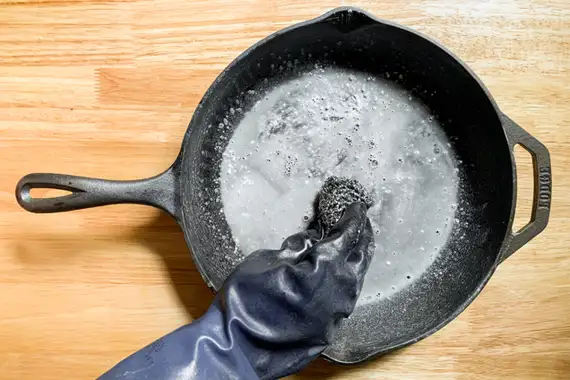
Before seasoning, your skillet must be spotless. Wash it with warm water and mild dish soap. Use a soft sponge or brush to remove any manufacturing residue, food particles, or rust. It’s okay to use a bit of soap at this stage — just this once.
Once clean, dry it completely using a towel. Then place it on low heat for a few minutes to evaporate any remaining moisture. Even a drop of water can cause rust spots, so make sure it’s bone dry before moving on.
Step 2: Choose the Right Oil for Seasoning
The type of oil you use can make a difference. Oils with a high smoke point, such as flaxseed, grapeseed, or canola oil, work best. Avoid butter or olive oil — they burn easily and don’t create a durable coating.
Pour a teaspoon of oil onto a paper towel and rub it evenly across the entire skillet — inside, outside, and even the handle. The goal is a very thin layer; too much oil can make the surface sticky instead of smooth.
Step 3: Bake the Skillet in the Oven
Preheat your oven to 450°F (230°C). Place your skillet upside down on the middle rack, with a sheet of aluminum foil on the rack below to catch any drips. Bake it for one hour.
During this process, the oil undergoes polymerization — a scientific term for when the oil bonds to the metal surface and hardens into a protective layer. This is the magic moment when your skillet begins to transform from raw iron to cooking perfection.
Once the hour is up, turn off the oven and let the skillet cool inside naturally. Don’t rush this step; cooling too fast can lead to uneven seasoning.
Step 4: Repeat for a Stronger, Shinier Finish
If your skillet is new or has lost its non-stick quality, repeating the seasoning process two or three times can build a stronger surface. Each round adds more protection and better cooking performance.
Experienced home cooks often do this once every few months to keep their skillets in top shape. Think of it as a little self-care routine for your pan.
Step 5: Maintain Your Seasoned Skillet
Now that you’ve learned how to season a cast iron skillet, it’s important to maintain it properly. After each use, clean it with warm water and a soft brush — skip the harsh soap from now on.
Dry it immediately, and while the surface is still slightly warm, rub a drop of oil across it with a paper towel. This small habit keeps your skillet rust-free and ready for your next cooking session.
Never leave your cast iron pan to soak in water or put it in a dishwasher. Both can damage the seasoning layer and cause rust.
Common Mistakes to Avoid
- Using too much oil: This leads to sticky residue instead of a hard, non-stick coating.
- Skipping the drying step: Even a hint of moisture can cause rust spots.
- Seasoning at low temperature: The oil won’t bond properly unless it reaches a high enough heat.
- Using the wrong oils: Stick to neutral, high smoke-point oils like grapeseed or flaxseed.
Bonus Tip: Cook Often to Improve the Seasoning
Here’s a fun secret — the best way to keep your cast iron skillet seasoned is to cook with it regularly. Frying bacon, searing steaks, or sautéing vegetables naturally adds more layers of oil to the surface, improving its non-stick power every time.
The more you use it, the better it gets. That’s why chefs and home cooks swear by their decades-old pans — they’ve been seasoned thousands of times through everyday cooking.
Final Thoughts
Learning how to season a cast iron skillet isn’t complicated, but it’s essential if you want to enjoy long-lasting performance. With just a few easy steps — clean, oil, bake, and repeat — your skillet will develop a gorgeous black sheen and a natural non-stick coating that gets better with age.
Take care of your skillet, and it will reward you with decades of perfect pancakes, sizzling steaks, and memories made in your kitchen.
